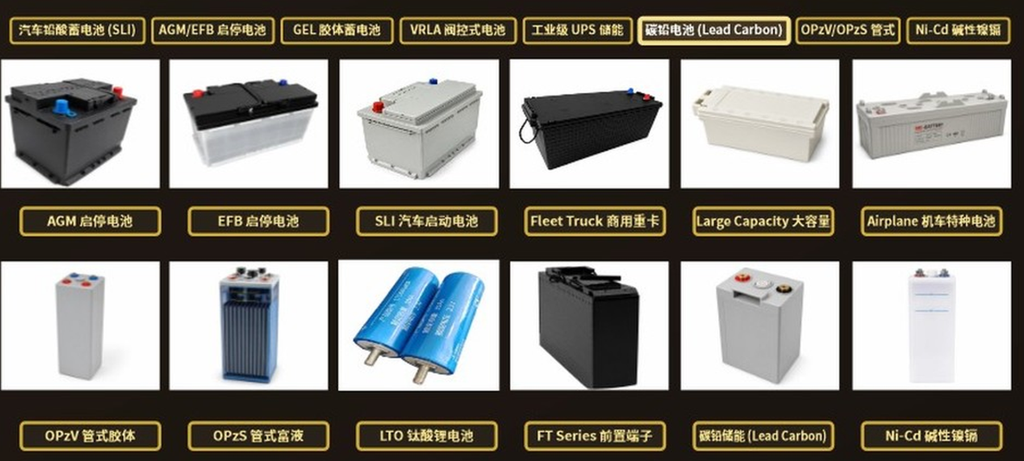
Stop Guessing: Why “12V 200Ah Lead Acid” Is NOT Enough to Specify a Battery
In global procurement, one of the most common inquiries we receive is:
👉 “I need a 12V 200Ah Lead-Acid Battery.” or “I need a battery for my solar setup / UPS / telecom site.”
Here is the truth every engineer, EPC contractor, and procurement manager should know: A 12V 200Ah battery built for a Standby UPS or for automotive Battery?
If it’s for backup power application, does it require float-charge operation, deep-cycle performance, or short-term constant power output (high power battery) as deployed in data centers?
The configuration varies greatly depending on how often grid outages happen in your area: once or twice a month, once or twice a week, or even once or twice per day.
Why? Because the internal grid alloy, active paste density, plate thickness, and electrolyte state (Absorbed AGM vs. Gelled Silica vs. Tubular OPzV) are fundamentally different.
Here is a practical breakdown of the 3 major battery families—with a spotlight on VRLA batteries—to help you match the right technology to your exact application.
1️⃣ The VRLA Battery Family (Valve Regulated Lead Acid)
Maintenance-free | Spill-proof | Non-hazardous | High Reliability
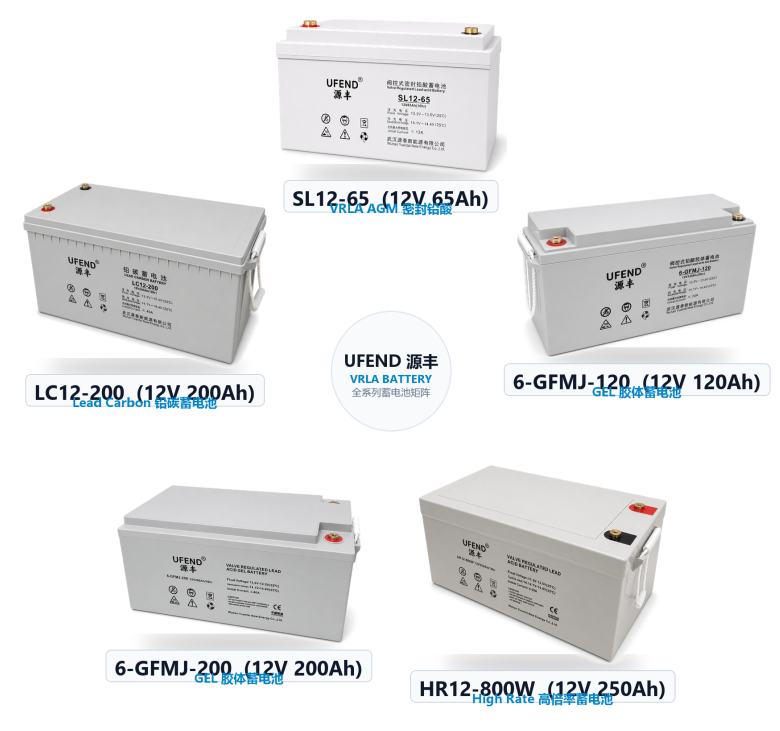
A. Standard Standby AGM (General Purpose)
- Design Life: 5–10 years (Float @ 25°C)
- Cycle Life: 250–300 cycles @ 80% DOD
- Best For: Emergency lighting, security/alarm systems, small office UPS, medical carts.
- Key Strength: Most cost-effective solution for low-frequency blackout backup.
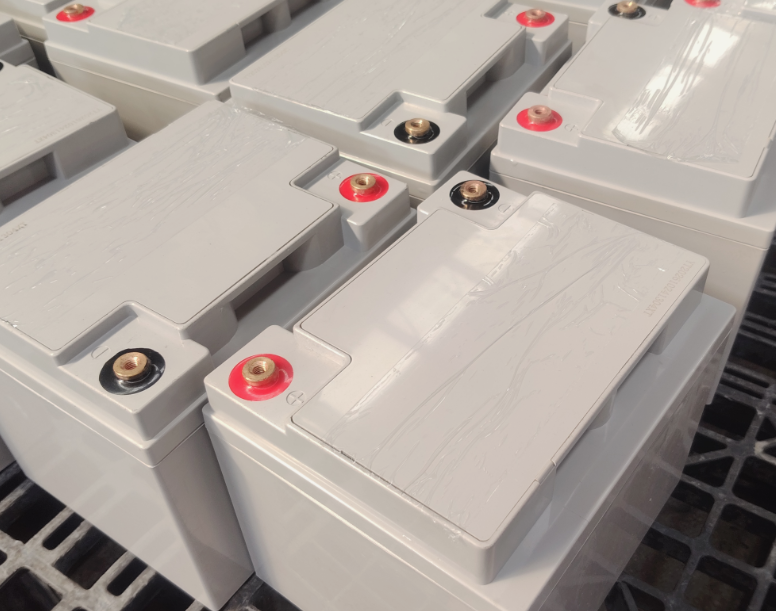
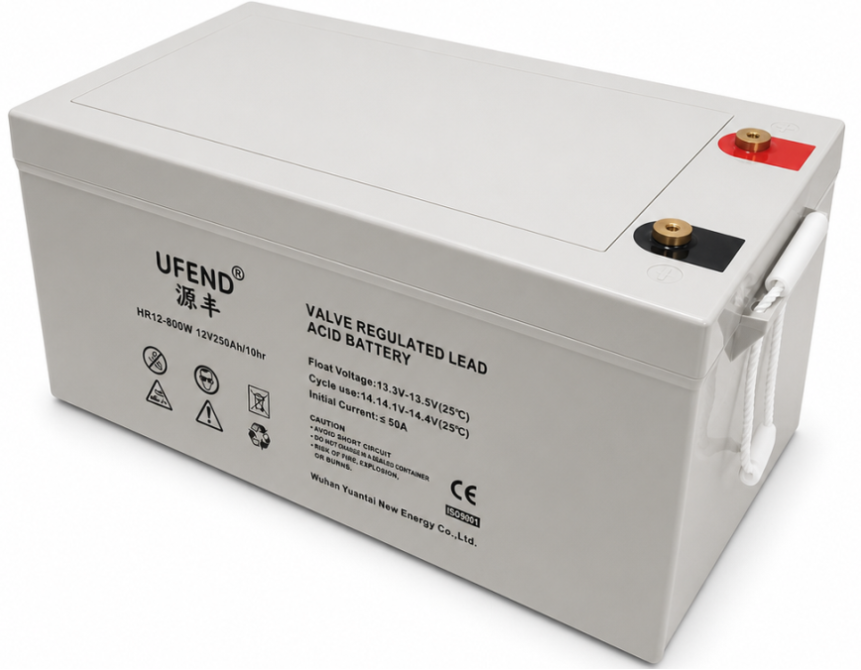
B. High Rate / Ultra High Rate AGM
- Design Life: 10–12 years
- Discharge Duration: 5 to 15 minutes ultra-high power delivery
- Best For: Data Centers, Banking/Financial IT rooms, Critical Industrial UPS, Substation Switchgear tripping.
- Key Strength: Delivers 30%–40% more power (Watts/Cell) in short discharge bursts compared to standard batteries.
C. Deep Cycle GEL & AGM (Solar & Motive Power)
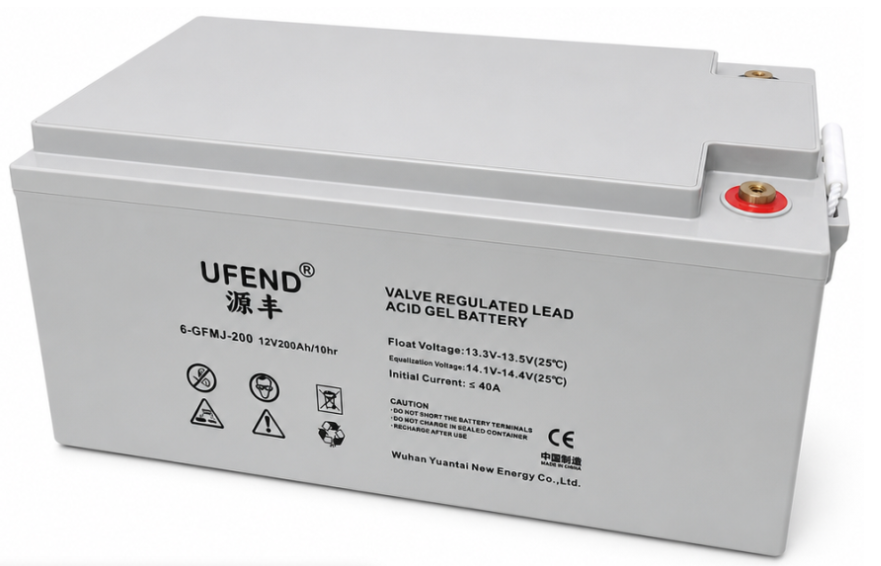
- Design Life: 12–15 years
- Cycle Life: 800–1,200 cycles @ 80% DOD (GEL)
- Operating Temp: -20°C to +55°C
- Best For: Off-grid Solar PV systems, Wind storage, RV/Marine house power, Golf carts, Floor scrubbers, Aerial work platforms (AWP).
- Key Strength: Thixotropic silica gel prevents acid stratification; exceptional deep discharge recovery and thermal runaway resistance.
D. Front Access (FT) Telecom Series
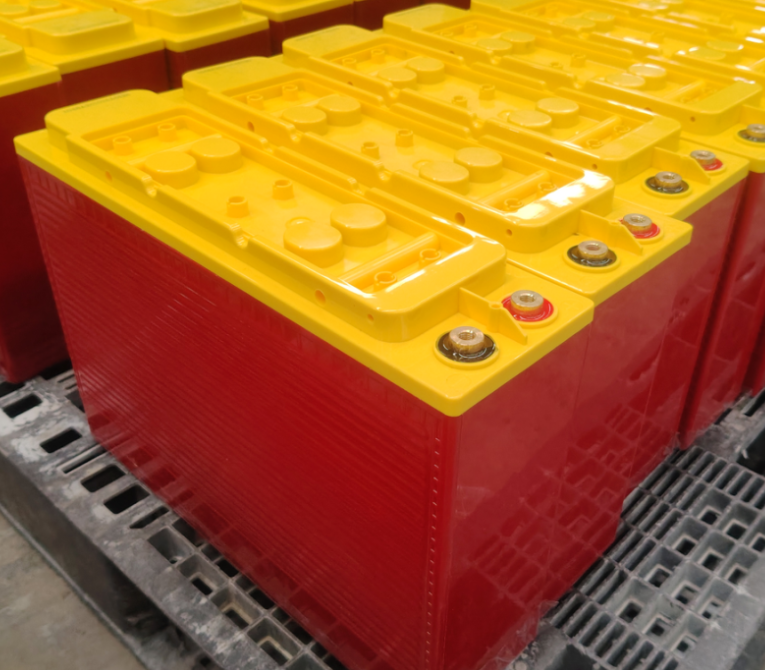
- Form Factor: Slim, narrow footprint with front-mounted terminals.
- Design Life: 10–12 years
- Best For: 4G/5G Telecom Base Stations (BTS), outdoor communication cabinets, space-constrained server racks.
- Key Strength: Fits seamlessly into standard 19″ and 23″ ETSI/rack systems; allows easy voltage/impedance testing without top clearance.
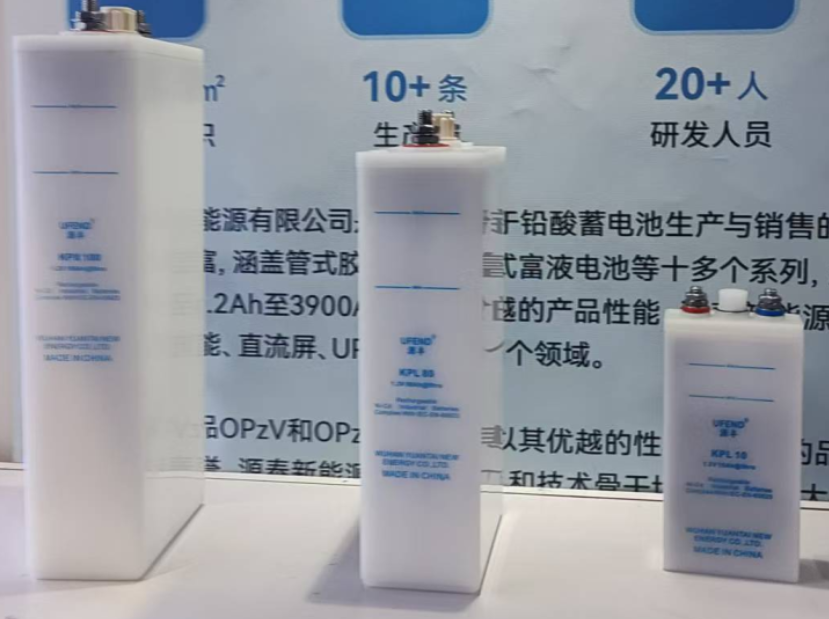
E. Tubular OPzV (Gel) & OPzS (Flooded)
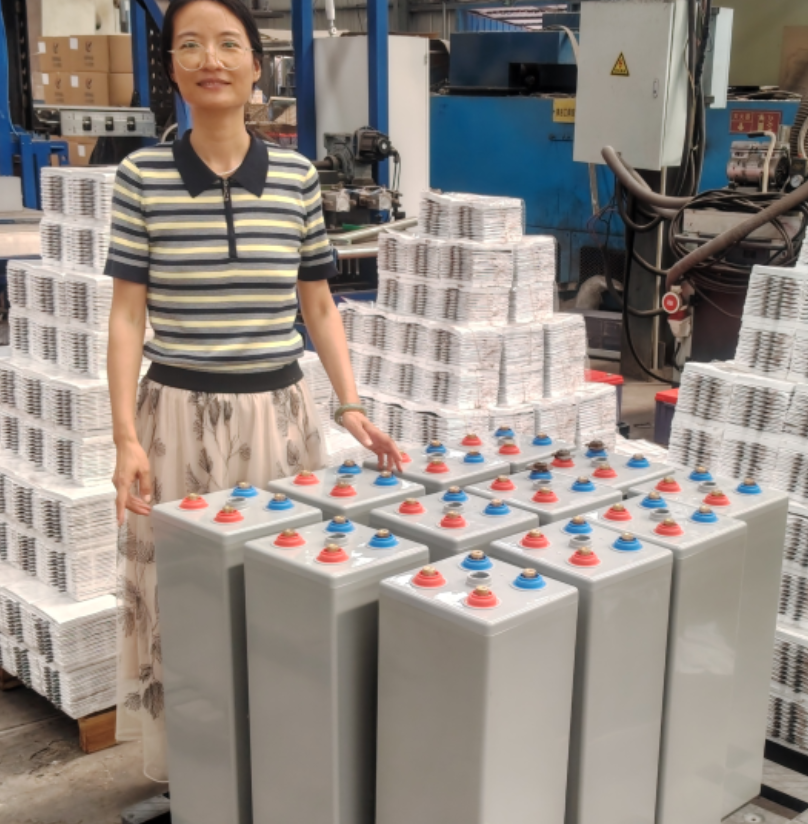
- Design Life: 20 Years @ 20°C
- Cycle Life: 1,500–2,000+ cycles @ 80% DOD
- Best For: National grid utility substations, remote solar microgrids, nuclear power plants, critical railway signaling.
- Key Strength: Die-cast positive tubular spine prevents active mass shedding; undisputed “King of Lifespan” in lead-acid chemistry.
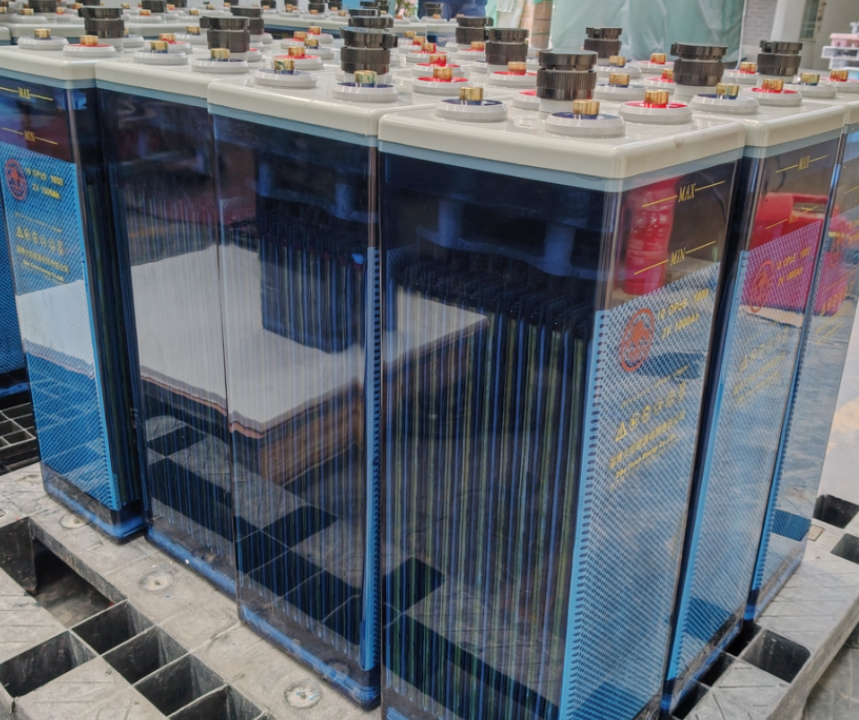
F. Lead Carbon Series (LC)
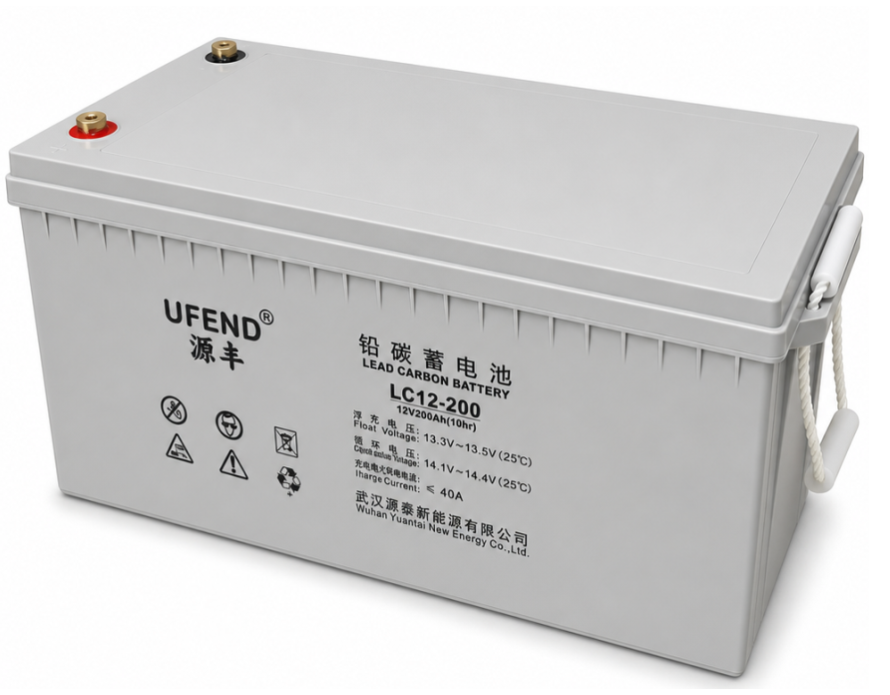
- Cycle Life: 2,000–3,000+ cycles @ 70% DOD
- Best For: Solar hybrid systems, microgrids, grid peak shaving.
- Key Strength: Negative plate carbon addition prevents irreversible sulfation in Partial State of Charge (PSoC) conditions and enables fast recharging.
2️⃣ Industrial NiCd (Nickel-Cadmium) Batteries
When Lead-Acid Reaches Its Physical Limits
- Extreme Temperature Range: -50°C to +70°C
- Service Life: 20–25+ Years
- Key Types:EBL (Low Rate): 1–100 hours discharge for telecom & railway signaling.EBM (Medium Rate): 30 min–5 hours discharge for substation switchgear & industrial control.EBH (High Rate / Sintered): Instant high-cranking current for diesel generator starting & turbine black-start.
- SPL Series: Maintenance-free gas recombination technology with virtually zero water consumption.
- Best For: Offshore oil & gas platforms, arctic/desert substations, heavy industrial
3️⃣ Automotive Starting Batteries (SLI- starting, lighting and Ignition; EFB & AGM for Start-Stop system)
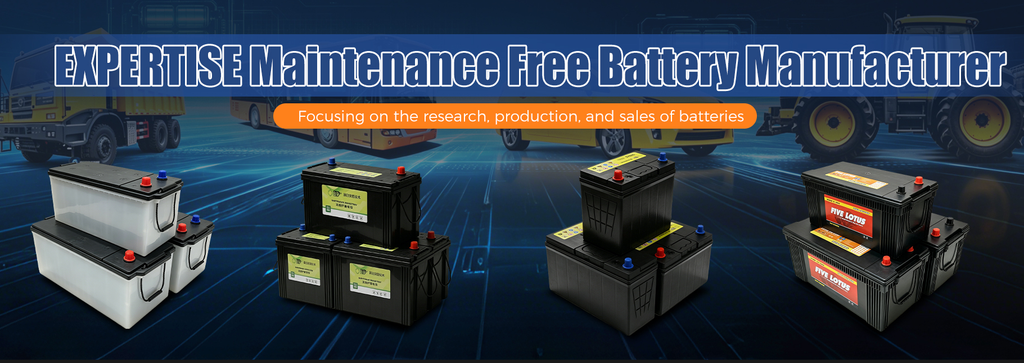
Automotive batteries are engineered for Cold Cranking Amps (CCA)—delivering hundreds of amperes in 3–5 seconds:
- Conventional Flooded (SLI): High CCA for standard ICE vehicles without auto start-stop.
- EFB (Enhanced Flooded Battery): 2x cycle life for entry-level start-stop vehicles.
- AGM Start-Stop: 3x–4x cycle endurance, supports regenerative braking; designed for premium vehicles and micro-hybrids.
- Global Dimension Standards: JIS (Asian/Japanese), DIN/EN (European), BCI (North American).
Before placing an order or sending an RFQ, answer these 4 questions, or reach out to Alia:
- Application, Backup Duration, Cycle Frequency, Environment