
Confused about SLI battery performance, specifications and application scenarios? This practical guide helps automotive importers, distributors, repair chains and fleet operators select reliable starting batteries correctly and avoid common sourcing mistakes.
1. What Is an SLI Battery & Where Is It Used?
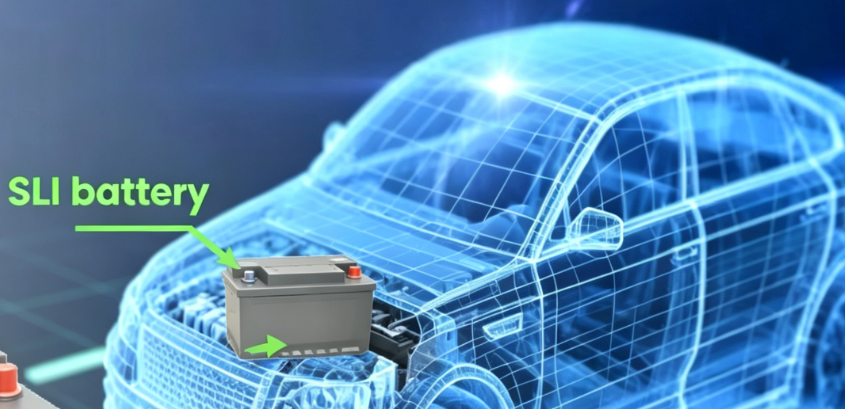
SLI is the abbreviation for Starting, Lighting, and Ignition, representing the most widely used conventional automotive battery in the global aftermarket.
Unlike energy storage or deep-cycle batteries built for long-duration power output, SLI batteries are engineered for instant high-current output. Their core function is to supply a powerful short burst of electricity to ignite vehicle engines. Once the engine starts running, the car’s alternator takes over the power supply and automatically recharges the battery during daily operation.
As the standard power solution for light vehicles, commercial vehicles and general automotive equipment, SLI batteries are the core mainstream product for auto battery wholesalers, repair shop chains, automotive distributors and fleet maintenance teams.
2. Working Principle & Core Structure of Automotive SLI Batteries
Nearly all standard SLI starting batteries on the market adopt mature lead-acid technology, stable in performance, low in maintenance cost and highly adaptable for global after-sales replacement.
The core structure determines battery durability and starting stability, including:
– Positive and negative lead plates
– High-purity lead active materials
– Sulfuric acid electrolyte
– Insulating separators
– Anti-corrosion battery casing and copper terminals
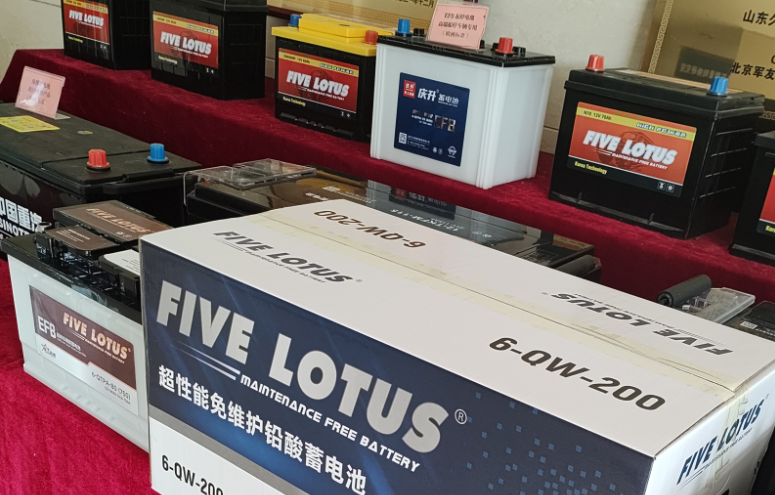
During engine startup, a rapid chemical reaction inside the battery releases instantaneous high current to finish ignition. After startup, the alternator continuously replenishes power to maintain the battery’s cycle service life.
For bulk buyers and fleet service providers, stable structural craftsmanship directly reduces return rates, warranty costs and after-sales complaints.
PS by ALIA: The facotry I work with is the original equipment supplier TIER 1 for SinoTruk, JAC, FAW, and many engineering vehicles, agriculture vehicles from Shandong Province. If you insisting on which is our CORE Battery, N120, N150, N180, N200 DIN100 are our best seller and strong products in our facility.
3. Three Core Parameters B-End Buyers Must Master (CCA / AH / RC)
Most novice distributors only refer to Ah value when selecting batteries, which is the biggest mistake in automotive battery sourcing. The three key indicators correspond to different actual usage needs and market sales advantages.
CCA (Cold Cranking Amps)
CCA is the most critical parameter for vehicle startup performance. It reflects the battery’s high-current discharge capability in low-temperature environments.
For distributors serving cold-region markets and heavy-duty commercial vehicle fleets, high CCA rating means strong startup stability in winter, low failure rate and better market reputation.
PS by Alia: The CCA value is also affected by the concentration of sulfuric acid. Our factory does not adjust the electrolyte concentration casually. We maintain the same quality standard for batteries supplied to the aftermarket as those for OEM vehicle manufacturers.
Ah (Ampere-Hour Capacity)
Ah represents the battery’s basic power storage capacity, defining the battery’s overall specification level.
It is only used to distinguish battery size and matching vehicle models, not a reference for startup power performance. Many low-quality batteries boast high Ah but insufficient CCA, leading to poor real startup effect.
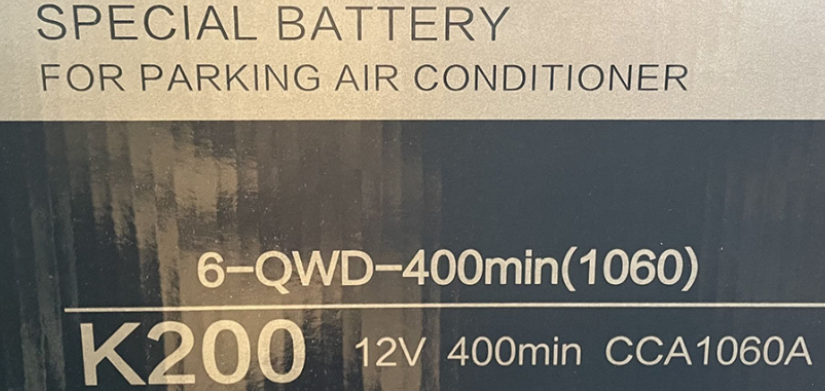
PS by Alia: From our experience with global markets, CCA and Ah values are frequently overstated. For China’s domestic market and certain European markets, the ratings are genuine. Overrating is widespread in most other regions.
RC (Reserve Capacity)
Reserve capacity refers to how long a fully charged battery can sustain power supply when the alternator fails.
This indicator is extremely important for commercial vehicle fleets, engineering vehicles and long-distance transport vehicles, effectively preventing stalling and roadside breakdowns caused by generator faults.
4. Key Differences: SLI Battery VS Deep Cycle Battery
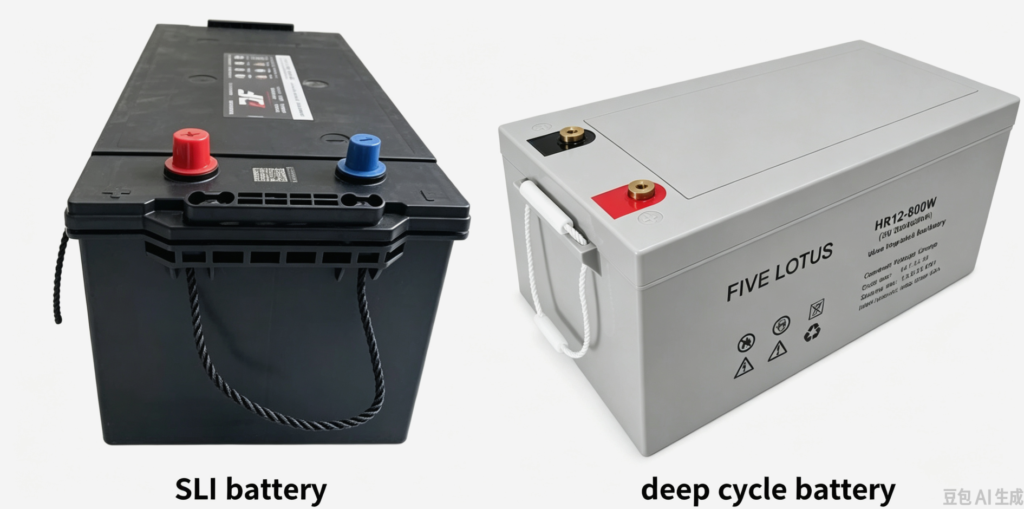
As a professional automotive battery supplier, we always remind our clients to distinguish the two battery types to avoid model mismatching:
SLI Starting Battery
Core advantage: Instant high current, fast engine ignition, suitable for frequent vehicle startup scenarios.
Limitation: Not suitable for long-time continuous discharge and repeated deep discharge.
Main application: Passenger cars, commercial vehicles, truck fleets, daily road vehicles aftermarket replacement.
Deep Cycle Battery
Core advantage: Supports long-term steady power output and thousands of deep charge-discharge cycles.
Limitation: Instant startup current is insufficient for engine ignition.
Main application: Solar energy storage, sightseeing vehicles, cleaning equipment, marine power systems.
Clear classification helps distributors accurately match customer demands, reduce inventory pressure and avoid sales disputes.
5. Sourcing Standards for Importers, Distributors & Fleet Service Teams
Based on years of serving global automotive battery wholesalers, we summarize the practical selection standards for bulk purchase:
1. Model compatibility: Confirm battery size, terminal position and polarity to match local mainstream vehicle models
2. Verified CCA rating: Prioritize factory actual test data instead of virtual standard parameters
3. Temperature adaptability: Select matched CCA grade according to loccal high/low temperature climate
4. Production stability: Consistent quality of bulk goods is the core of long-term distribution cooperation
5. Warranty policy: Clear after-sales warranty terms to reduce operational risks for repair chains and fleets
6. Export certification & packaging: Complete CE, MSDS, UN2800, standard export packaging suitable for long-distance ocean freight
7. Inventory & delivery cycle: Stable factory supply supports customers’ seasonal peak sales
PS by Alia: If your ordes for each models are less than MOQ, but you want to customize your own logo, we suppport stickers customized as well to reduce high cost of customize of carton box.
6. Conclusion
SLI starting batteries are the rigid demand of the global automotive aftermarket. For automotive importers, wholesalers, repair chain operators and commercial vehicle fleet service providers, professional parameter identification and standardized sourcing are the key to profit stability and long-term market development.
Only by comprehensively evaluating CCA, RC, capacity and product quality can buyers avoid inferior inventory, reduce after-sales costs and build stable local market competitiveness.
PS by Alia: For dual use of starting and energy storage, lead-carbon battery works too. Ideal for Marine.
ALIA BATTERY:
We focus on supplying high-quality Chinese lead-acid SLI starting batteries for global automotive distributors and fleet clients.
We provide customized specification matching, stable bulk supply, complete export documents and professional one-stop battery sourcing service.
If you have inquiries about battery selection, wholesale pricing and project cooperation, welcome to contact us for detailed support.
#SLIBattery #AutomotiveBattery #LeadAcidBattery #CarBattery #CommercialVehicleBattery #FleetBattery #BatteryWholesale #AutoAftermarket #CCA #CarBatteryGuide #BatterySupplier #VehicleStartingBattery #RepairShopSupply #BatteryImport #IndustrialBattery