
Discover how VRLA batteries work, the difference between AGM and GEL technologies, and their applications in UPS, telecommunications and industrial backup power.
Attention: AGM Technology, one is for Automotive Starting Battery for Start-stop system, which suits for luxury car brand like Benz, BMW etc. The other is widely used in backup battery.
1. What Does VRLA Mean?
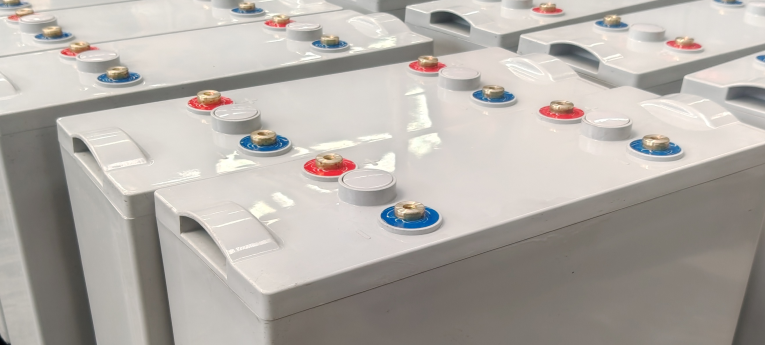
VRLA stands for Valve-Regulated Lead-Acid.
It is a type of sealed lead-acid battery designed to regulate internal pressure through safety valves.
Unlike conventional flooded lead-acid batteries, VRLA batteries are designed to retain their electrolyte within the battery structure under normal operating conditions.
They are widely used in applications where reliable standby power is essential.
2. How Does VRLA Technology Work?
VRLA batteries use an oxygen recombination process.
During normal charging, oxygen generated at the positive plate can migrate toward the negative plate and participate in an internal recombination reaction.
This process helps reduce water loss and limits the need for routine water replenishment.
However, VRLA batteries are not completely maintenance-free in the sense of requiring no inspection.
Correct charging voltage, temperature control, ventilation and periodic system checks remain important.
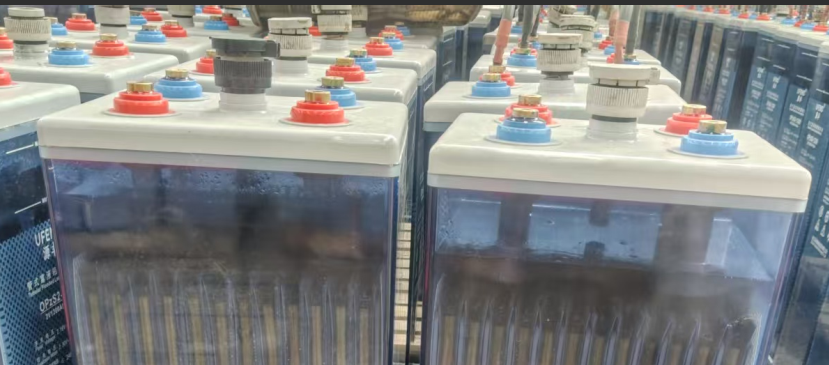
3. AGM vs. GEL: Two Different VRLA Technologies
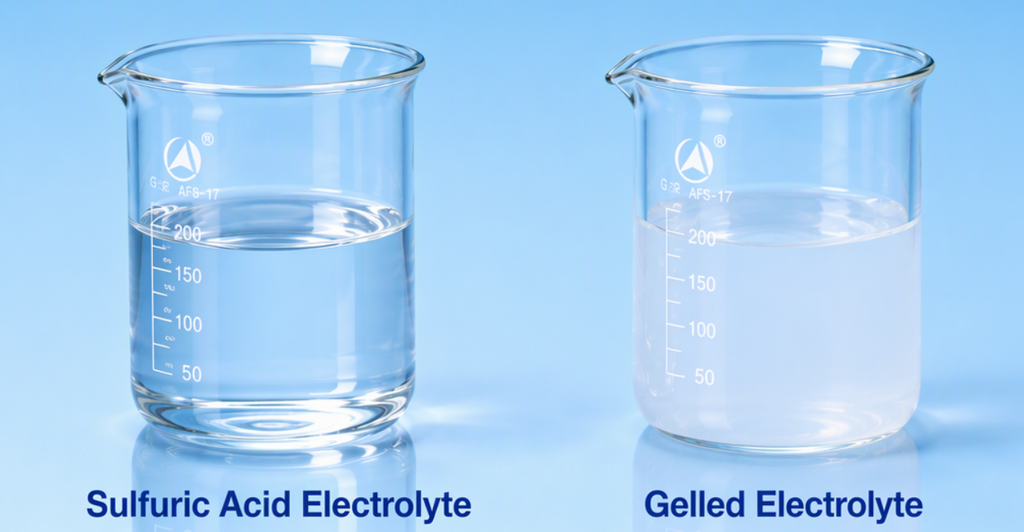
AGM – Absorbent Glass Mat
AGM batteries use a porous glass-fiber separator to absorb and retain the electrolyte.
Key characteristics include:
- Immobilized electrolyte
- Low internal resistance in many designs
- Good power delivery capability
- Applications in UPS and telecommunications
GEL Battery
GEL batteries use a silica-based gel electrolyte.
The gel structure immobilizes the electrolyte and supports designs intended for specific standby and cyclic applications.
Key characteristics include:
- Gelled electrolyte
- Reduced electrolyte stratification
- Suitability for selected deep-cycle applications
- Performance dependent on the specific design and charging conditions
AGM and GEL are not interchangeable simply because both belong to the VRLA family.
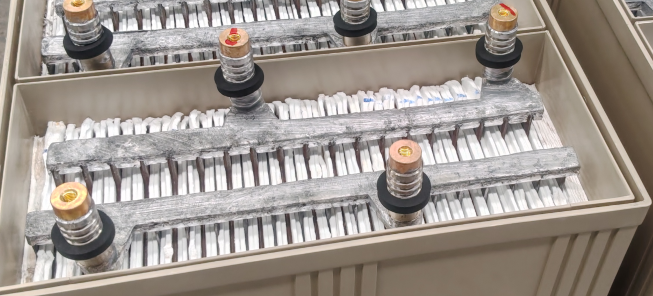
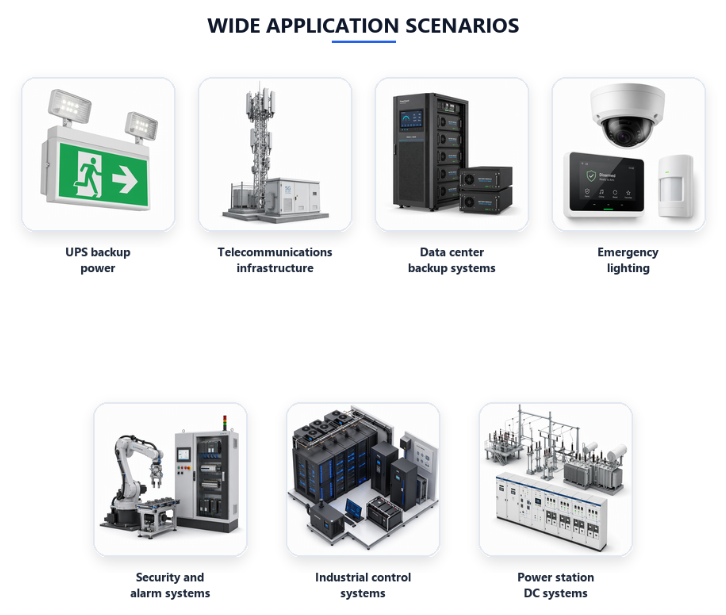
4. Where Are VRLA Batteries Used?
Common applications include:
- UPS backup power
- Telecommunications infrastructure
- Data center backup systems
- Emergency lighting
- Security and alarm systems
- Industrial control systems
- Power station DC systems
The required battery technology depends on the discharge profile, backup duration, operating temperature and maintenance strategy.
5. How Should Buyers Select an Industrial VRLA Battery?
Before choosing a battery, buyers should confirm:
- Required voltage and capacity.
- Discharge duration and load profile.
- Standby or cyclic operating mode.
- Operating temperature.
- Charging voltage and charging strategy.
- Battery dimensions and terminal configuration.
- Applicable technical standards.
- Design-life conditions and warranty.
- Installation and maintenance requirements.
- Ask Alia for help, she can provide you suitable battery based on your specific needs.
A battery’s design life is not the same as its guaranteed service life in every installation.
Actual service life depends on operating conditions, temperature, charging and maintenance.
By voltage, our mainstream models are 2V, 6V and 12V.
In terms of structure, we have tubular and plate batteries.
As for maintenance type: maintenance-free and flooded batteries.
The casing can be flame-retardant or non-flame-retardant, customizable.
Reach out to Alia with your specific needs.